Education begins long before a child enters secondary school. The early years of learning shape the way children think, communicate, and understand the world around them. A strong educational foundation during these formative years plays a major role in determining a child’s future academic success and personal development.
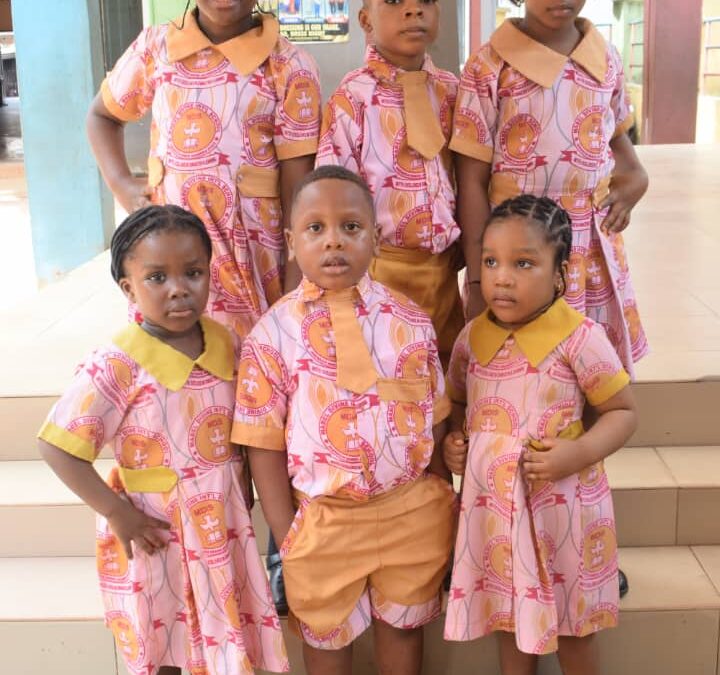
At Mabel Divine International School, Nnewi, we recognize that early education is not simply about teaching children to read and write. It is about nurturing curiosity, developing confidence, and building the essential skills that prepare learners for lifelong growth.
Understanding Early Childhood Education
Early childhood education refers to the stage of learning that takes place from infancy through the primary school years. During this period, children develop basic cognitive abilities, language skills, social awareness, and emotional stability.
Research and experience have shown that children who receive structured and supportive early education are better prepared to handle more complex academic work in later years. They also tend to develop stronger problem-solving skills and better self-confidence.
Schools therefore play an important role in guiding children through this critical stage of development.
Building Literacy and Numeracy Skills
One of the major goals of early education is to help children develop literacy and numeracy skills. Literacy involves the ability to read, write, listen, and communicate effectively. Numeracy involves understanding numbers, patterns, measurement, and logical thinking.
When children develop these skills at an early age, they gain the confidence needed to explore other subjects such as science, social studies, and technology. Teachers guide students through activities that encourage reading, storytelling, counting, and problem solving.
These simple learning experiences gradually build the foundation for more advanced academic work.
Encouraging Curiosity and Creativity
Children are naturally curious. They ask questions, observe their surroundings, and attempt to understand how things work. A good learning environment encourages this curiosity and transforms it into meaningful learning.
Creative classroom activities such as drawing, storytelling, music, and group discussions help children express their ideas and develop imagination. When students are allowed to explore ideas freely within a structured environment, they develop confidence in their ability to think independently.
Encouraging creativity also helps children become innovative thinkers in later stages of education.
Developing Character and Social Skills
Education is not limited to academic achievement. Character development is equally important. Children must learn how to interact respectfully with others, work in groups, and develop a sense of responsibility.
Through daily interaction with teachers and classmates, students gradually learn values such as honesty, discipline, patience, and cooperation. These qualities shape their behaviour both inside and outside the classroom.
A child who grows up with strong moral values is better prepared to become a responsible member of society.
The Role of Teachers and Parents
The success of early education depends largely on the partnership between teachers and parents. Teachers provide structured learning and guidance within the school environment, while parents reinforce these lessons at home.
When both work together, children receive consistent guidance that strengthens their development. Encouragement, supervision, and communication between school and home help children feel supported and motivated in their learning journey.
Preparing Children for Future Success
A strong educational foundation prepares children for the challenges of higher learning. Students who develop confidence, curiosity, and discipline in their early years are more likely to succeed academically and socially in later stages of life.
Schools that invest in the intellectual and moral development of young learners are helping to shape the future of society. By guiding children during their formative years, educators help them develop the skills and values needed to become responsible citizens and future leaders.
Conclusion
Early education is one of the most important stages in a child’s development. It provides the knowledge, skills, and character formation that influence the rest of a learner’s academic journey.
At Mabel Divine International School, we remain committed to providing a nurturing learning environment where children can grow intellectually, morally, and socially. By building strong foundations today, we prepare our students for a future filled with opportunity and success.